

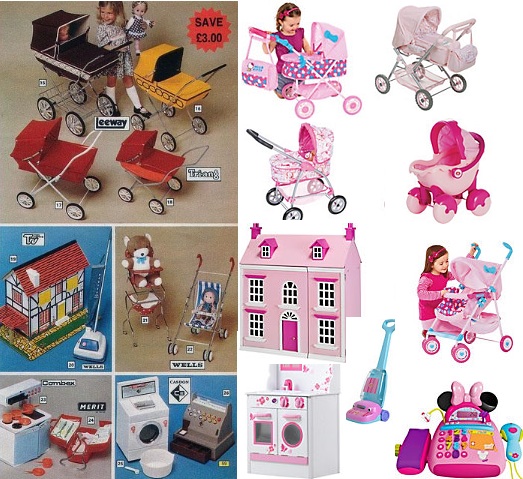
Barbara Burke looks at three generations of toys and toy marketing.
As a child of the forties and fifties, a parent in the seventies and eighties, and a grandparent in the twenty-first century, I’ve seen a lot of changes in what parenting involves.
 For myself and my daughters there is now far more freedom in the workplace compared to my mother’s generation. Modern parenting means convenience; microwaves, disposable nappies and collapsible buggies all make the world of difference.
Back in the fifties children had far fewer toys than children today, and many were shared or passed down between brothers and sisters.
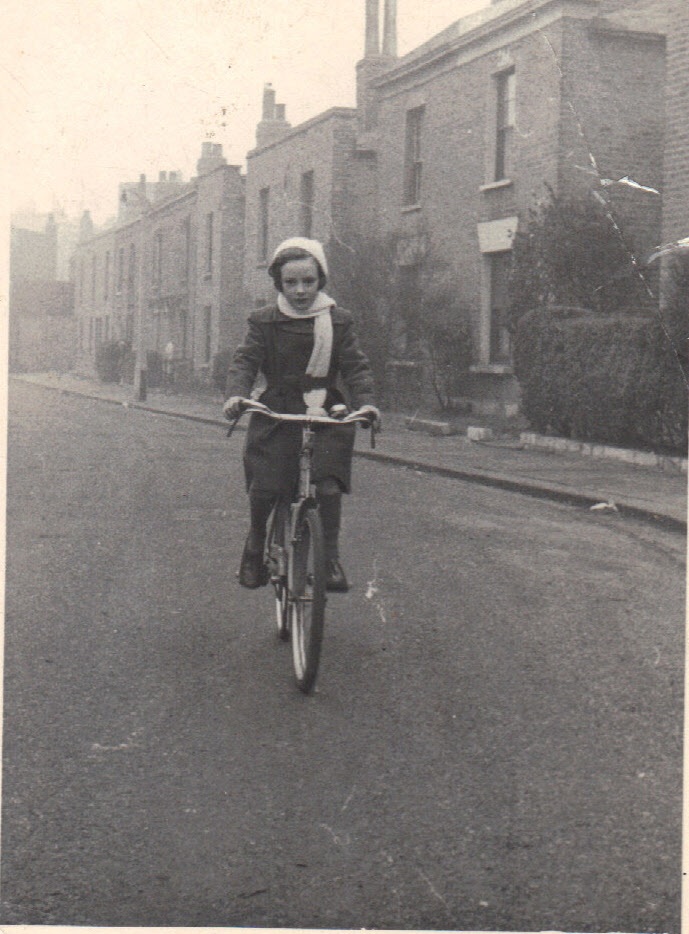
As a child I was given dolls and my brothers weren’t, but other than that I had a pretty free rein. My books, my bike and my roller-skates were particular favourites.
My daughters in the seventies and eighties enjoyed a range of toys too: Lego, board games and a much-loved toy garage (still enjoyed by the grandchildren today – see below!).
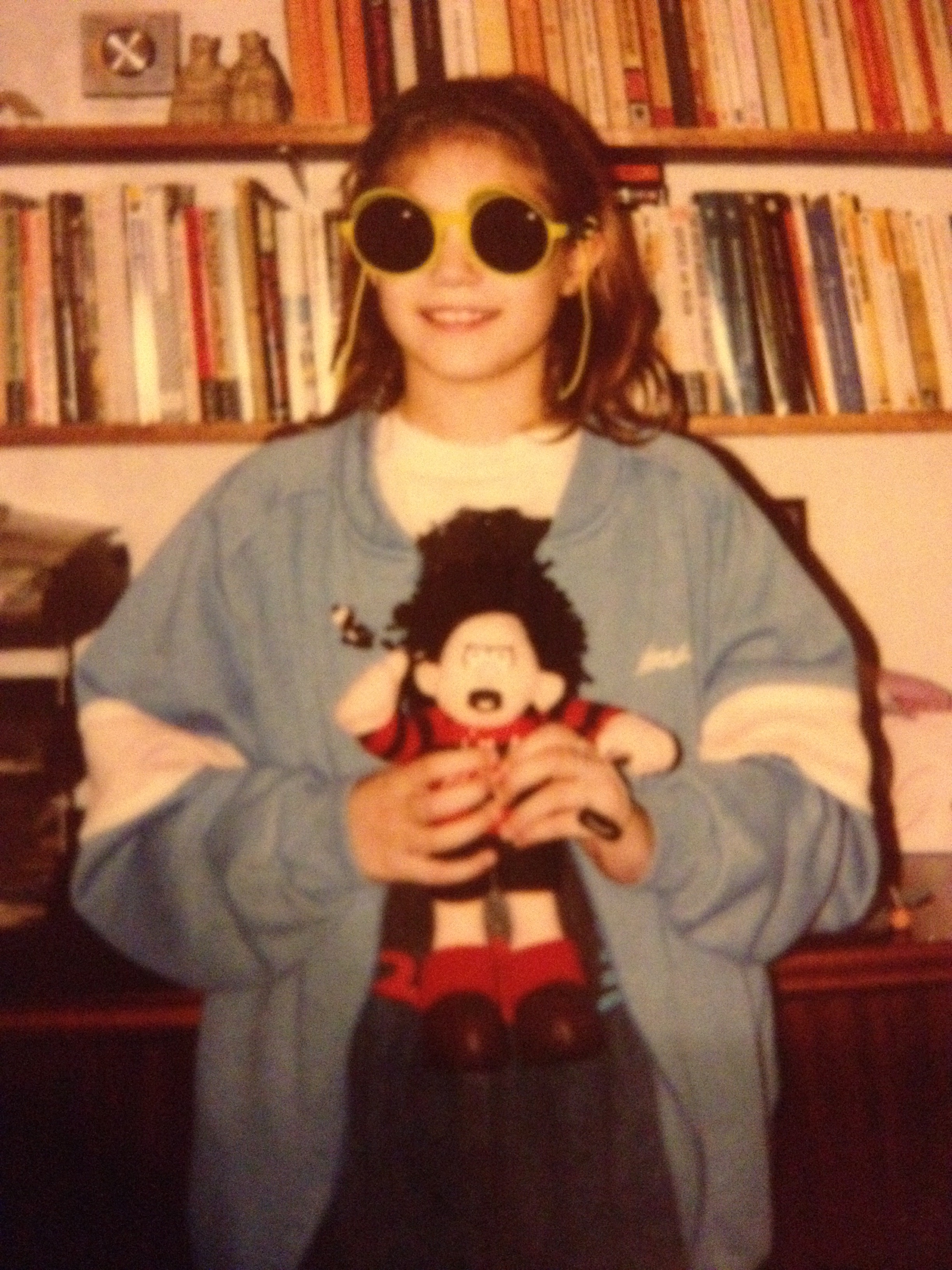 Each of my daughters enjoyed playing with “small world” toys and it would never have mattered if they had a Polly Pocket or a Transformer in their hand, all were played with in the same way.
Adverts showed boys and girls playing together, and toys were produced in bright primary colours.
How things have changed
For my grandchildren, however, something has changed. Adverts now only seem to depict two types of child: a passive, glittery female one, or a boisterous male one.
Some of my favourite toys from when my children were young are now only available in a choice of pink or blue, and insidious ‘boys’ and ‘girls’ signs have started to appear in toyshops. I see how much marketing affects my grandchildren and hear “but that’s a boys’ toy” far more than I ever did from my children.
“It’s the adverts that shock me the most, strictly divided into boys’ and girls’ toys. What happened to boys and girls playing together? Why the need for this gender divide?”
Myanah, Grandmother to James and Emily.
While my children were growing up I worked in education, and it would have been unthinkable to divide my classroom in the way shops divide toys.
Children are children and each have their own personal interests. They all need to be challenged to learn a range of new skills, whether this is spatial reasoning, physical ability, or the need to share. The more toys and experiences each child is exposed to, the greater the likelihood that they will develop these skills.
So what can we do?
As grandparents we try to combat some of the messages our grandchildren are receiving from toyshops, the media and other children in the playground:
- We buy them the same (or similar) presents regardless of gender
- We challenge sexist statements (“But why is it a boys’ toy?”)
- We make sure they have a range of toys available when they come to our house, so on one occasion they might play with their dolls and on another with their scooters. They never feel a toy is out of bounds.
“With three daughters and two granddaughters, it’s clear to me that girls like lots of different toys. We would never dream of saying “that football or science kit isn’t for you”; our girls have always played with lots of different things.”
Alan, Grandad to Emily and Eloise
One of the joys of being a grandparent is the ability to step back and watch the children develop, without having to worry about sleepless nights or the tough decisions.
Why would I limit their development by limiting their toys?